

I am so excited to read Cate Green’s debut novel, The Curious Kidnapping of Nora W. It has such a great title and the premise sounds fantastic. Cate and I met a long time ago when we were both shortlisted for the Jericho Writers’ Friday Night Live competition, so it was good to catch up with her and find out all about her forthcoming book, which will be published on Thursday, 20 July 2023.
Hi Cate, welcome to my blog!
Firstly, please introduce yourself and your debut novel.
Hi Sarah, thanks for having me!
My debut novel, The Curious Kidnapping of Nora W. will be published on 20 July 2023. It tells the story of Nora Wojnawski, a 122-year-old Holocaust survivor who is about to buck history and become the oldest person in the world – ever. As the novel begins, Nora is 18 days away from her world record and her family are determined to celebrate in style. But Nora isn’t your average supercentenarian and she has other ideas. When she disappears with her carer, Syrian refugee Arifa, on a trip down memory lane in the East End of London, a wartime secret, buried deep for over 70 years, will finally be revealed.
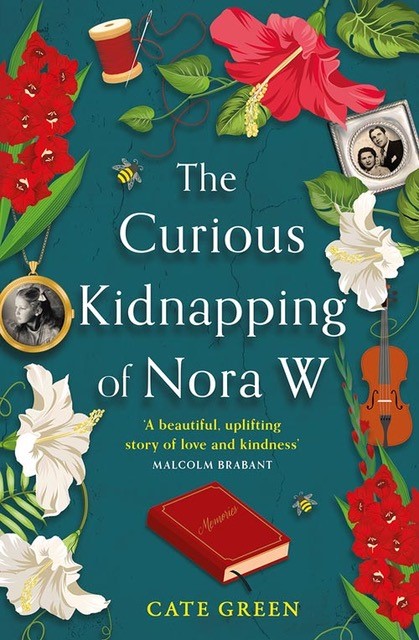
Although the novel’s main character is a Holocaust survivor, it is not a historical novel about the 2nd World War or the victims of war and injustice. It is a novel about survivors of war and injustice and their lives as ordinary people with an extraordinary past. And although it deals with serious themes, I’ve tried to bring a light touch, with plenty of humour.
As for me, I’m a broadcast and print journalist and copywriter with over twenty years’ experience in international radio, television and corporate communications. I am based in Lyon, France, which I love and where I’ve been living for thirty years now – although that wasn’t the original intention! Lyon is the gastronomic capital of France and when I’m not writing or running around after my three daughters, I’m often sampling the fabulous local food and wine or swimming lengths to make up for it. I’m also a fairly recent convert to snorkelling which I find incredibly relaxing, so I’m very lucky that the Mediterranean is only a couple of hours away down the high-speed train track!
When did you start writing? Can you tell me about your route to publication?
I’ve been writing for as long as I can remember. I loved it when I was at school and I’m one of those people who always wanted to write a novel. I also write every day for my day job, so I can’t imagine not writing.
Even so, it took me a long time to finally start writing a novel. I decided when my third daughter was born that it was now or never. And I did it! The Curious Kidnapping of Nora W. is in fact my third finished novel, but the first to be published. And the road to publication has also been long and fairly winding, involving three different agents – one for each novel so far – and coming very close to a publishing deal with novel number 2. Along the way, I was lucky enough to win the Best First Chapter Prize at the Festival of Writers in York and a few years later my debut novel won the Exeter Novel Prize. That was a huge boost and led me to meeting and being signed by my wonderful agent Broo Doherty, who I hope will also be my last and who it has been a joy to work with. Broo’s passion, skills and tenacity led me to me getting a two-book deal with Harper Collins imprint One More Chapter, and The Curious Kidnapping of Nora W. will be published in paperback, ebook and audio book this summer.
The Curious Kidnapping of Nora W features a Holocaust survivor. What research did you need to do to make Nora’s experiences feel authentic?
The novel as a whole and the main character, Nora, were inspired by my late mother-in-law, who survived the Lodz ghetto in Poland and the concentration camps at Auschwitz and Ravensbruck and later became a refugee, first in Sweden and France and later in Montreal, Canada, where she and her husband raised their two children and ran a corner shop, very much like the one in the novel. So, a lot of my research on the Holocaust strand of the novel came from family stories and memories, as well as from the harrowing written account my mother-in-law left of her time in the ghetto. I also read widely on the subject.
The character of Arifa was inspired by two refugees, from Syria and Iran, who lived in my family home with their family for several months after arriving in France. Hearing their stories and, even more, seeing their resilience in building a new life for themselves and their family was also essential research.
And I also spent a lot of time on Google, to be honest. The novel is set in North West London, which is where I was born and which I know pretty well and in the East End of London, which I know less well. But I wrote most of the book during lockdown, so I had to make do with photos, websites and so on for the details of the old Jewish cemeteries in the East End, for example, or the way the Brick Lane area has changed since Nora and Henry ran their shop there. All the locations and sites are based on real places, including the café that features prominently in the book. I’ve since been back to the East End to check that I got things right and, thankfully, I think I did.
Who are your favourite authors? Are there any that particularly inspired you to be a writer?
I’ve always loved 19th century British novelists like the Brontës, Thomas Hardy, George Elliot and Mary Shelley. They were definitely part of why I wanted to write novels and, in some ways, I had to tear myself away from their omniscient narrator approach and pages of description so that I could write in a more contemporary style. I also love Bridget Jones creator Helen Fielding and am a sucker for Taylor Jenkins Reid, especially Daisy Jones & The Six. But I think my favourite contemporary novelist is Ann Patchett, and especially her book Bel Canto, which, in terms of plot and action is about a high society party in a fictional South American country which is hijacked by a band of guerrilla fighters who take all the guests hostage, but which is really about what people have in their heart, what separates them and what brings them together, and how they find inner strength. I wouldn’t say it inspired me to write Nora W. as such, but some similar things definitely run through it.
What advice would you give to other people wanting to write?
I would say, take your time, write at your own pace, depending on how it fits around the other constraints in your life (full-time job and three children for me!). Try not to feel under too much pressure or compare yourself with all those other seemingly more successful, more dedicated writers on Twitter or Instagram. But do reach out to them. I’ve learned so much from the people I’ve met – virtually or IRL – on Twitter especially and most Book Twitter people are really supportive and kind. And do keep on writing until you’ve finished that first novel, and then write some more!
And read, as much as you can, in your genre and in others. Don’t compare your style with other writers’ but do take inspiration from them.
Finally, what are you working on now?
I’m working on book two of my two-book deal. I can’t say too much about it, other than that I’m aiming once again to bring a light touch to some serious subjects. And this time, Gemma, the main character is much younger, in her thirties, with a biological clock that’s ticking loudly and a very dysfunctional family life. Oh, and I’m behind on schedule, so I’d better stop here and get back to it!

You can buy The Curious Kidnapping of Nora W. from:
The Curious Kidnapping of Nora W – HarperCollins Publishers UK
You can find Cate on
Twitter: Cate Green #TheCuriousKidnappingofNoraW 20 July (@saracategreen) / Twitter
Instagram: @categreenwrites
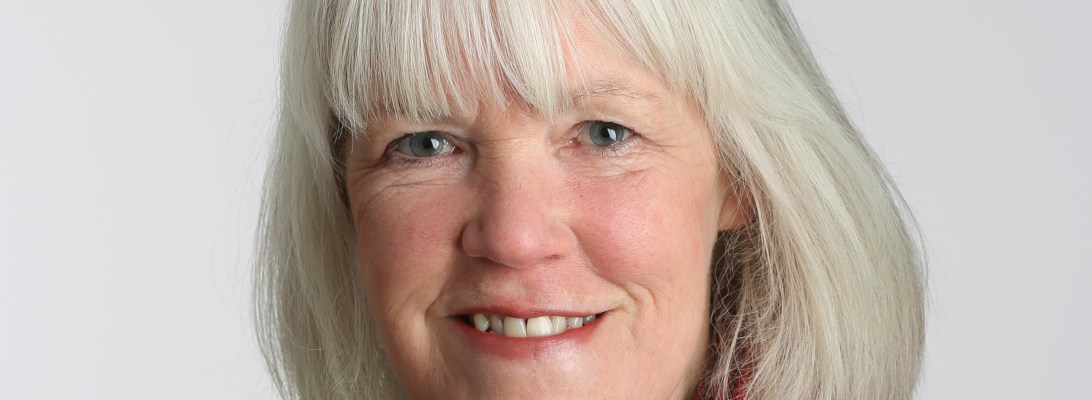

 Sarah Linley Author